Naturalization Trends Highlight the Need for Community Support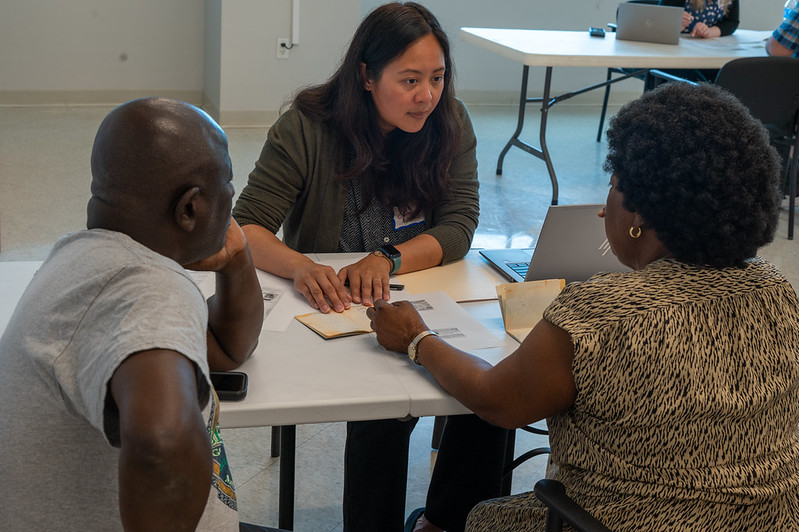
Becoming a United States citizen is a life-changing milestone for millions of immigrants and their families. Yet recent trends show that the naturalization process is becoming increasingly difficult for many eligible applicants. A recent report by the National Partnership for New Americans (NPNA) highlights concerning changes in naturalization approvals, denial rates, and processing times across the country.
According to the report, more than 818,500 individuals naturalized in fiscal year 2024, continuing a decade-long trend that has seen over 7.9 million immigrants become U.S. citizens. Newly naturalized Americans come from countries around the world, with the largest groups originating from Mexico, India, the Philippines, the Dominican Republic, and Vietnam. Women represented a majority of new citizens, and the median age of applicants was 42.
At United Community, we are seeing these same global connections reflected right here in our local community. Through Progreso’s legal services program, 45 individuals became U.S. citizens this year, while two children automatically derived citizenship through their parents’ naturalization process. Of those new citizens, 30 were women and 15 were men, representing 19 countries across five continents. (See infographic below.)
The NPNA report also points to troubling shifts in recent naturalization trends. NPNA found that during the first year of the second Trump administration, naturalization applications declined significantly compared to the final year of the Biden administration. The report also noted an increase in denials, fewer approvals, and longer processing times for citizenship applications.
Researchers cited concerns that stricter scrutiny of applications, harder civics examinations, and broader discretionary denial authority may be contributing to these changes. The denial rate for naturalization applications reportedly increased from 8.9 percent to 10.5 percent, while average processing times also rose.
The report concludes that barriers to citizenship can discourage eligible immigrants from pursuing naturalization, limiting civic participation and access to the full rights and protections of citizenship. NPNA emphasizes the importance of ensuring that legal pathways remain accessible, affordable, and linguistically inclusive for immigrant communities.
How United Community is Helping
At United Community, we understand how important citizenship is for the families we serve. Through our Progreso program, we provide support and resources that help individuals navigate the naturalization process with confidence. From connecting community members to trusted legal resources to providing culturally and linguistically responsive guidance, Progreso works to make the path to citizenship more accessible.
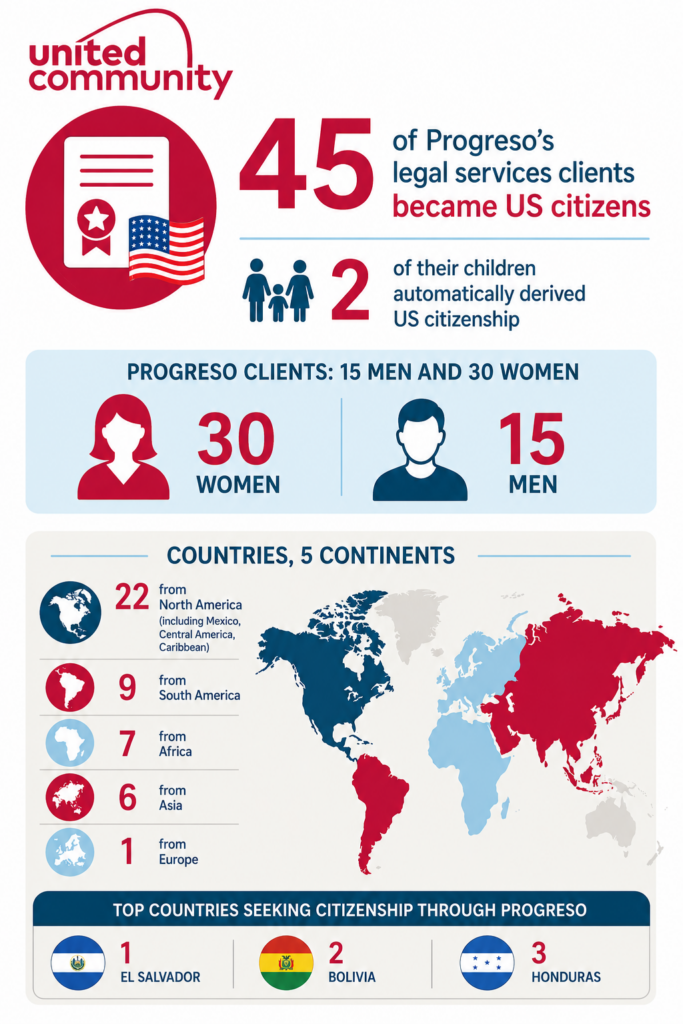
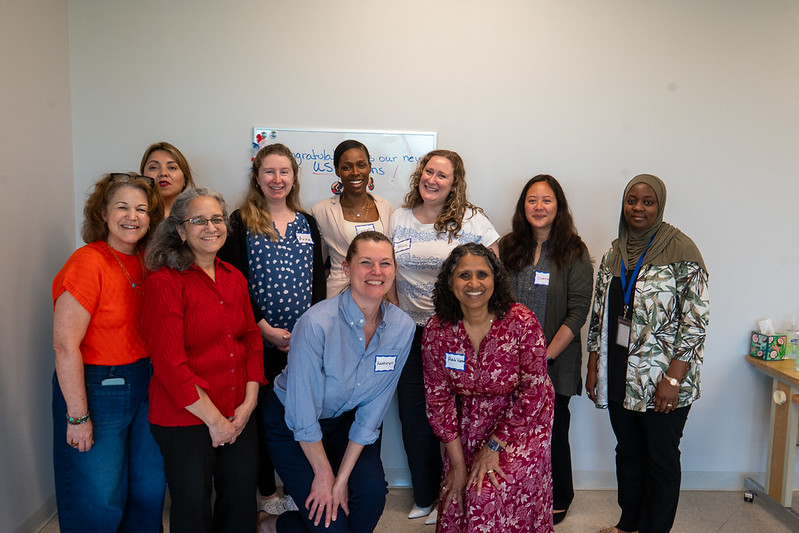
Last month, Progreso hosted a Citizenship Clinic in partnership with the American Immigration Lawyers Association (AILA). During the clinic, volunteers and legal professionals assisted individuals and families with completing their citizenship applications, helping ensure eligible residents had the support they needed to take this important step toward becoming U.S. citizens.
As national conversations around immigration and citizenship continue, local community-based support remains essential. United Community is proud to stand alongside immigrant families and help strengthen pathways to citizenship, civic engagement, and opportunity for all.
Source: National Partnership for New Americans, “Trends in Processing Naturalization Applications Under Trump 2.0.”