
SNAP Changes in Virginia in 2026
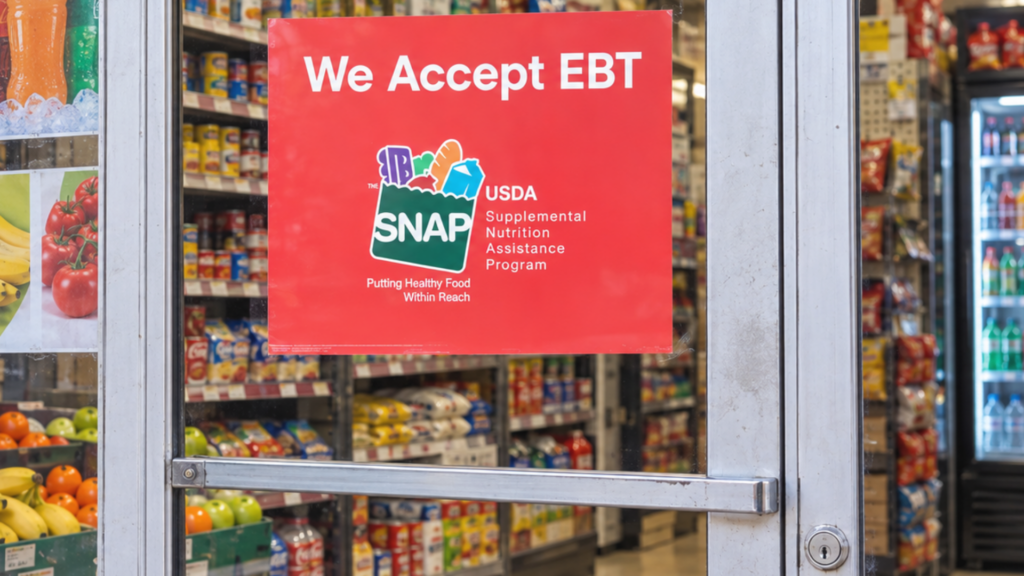
Changes to food benefits can affect the whole family, leaving less money for groceries and forcing harder choices about which bills to pay. As Virginia’s Supplemental Nutrition Assistance Program (SNAP) rules change, families need clear information about what these updates mean and what steps to take.
Recent federal changes mean more adults must meet work rules to keep their food benefits, including some parents, older adults, and others who were previously exempt. The law also limits which non-citizens can qualify for SNAP. For people who remain eligible, the work rule changes do not reduce their monthly SNAP benefit amount.
More adults must meet work rules
The work rules now apply to adults ages 18 through 64 unless they qualify for an exception. This means more adults ages 55 through 64 must meet the rules, along with parents whose youngest child is 14 or older. Before, parents could qualify for an exception if they had a child under 18 at home. For example, a parent with a 15-year-old may now need to meet the work rules, while a parent living with a 10-year-old may still be exempt.
Veterans, people experiencing homelessness, and young adults who left foster care no longer qualify for an exception based on those circumstances alone. However, they may still be exempt for another reason, such as a health condition that keeps them from working.
What counts toward the work rules
People who must meet the work rules generally need 80 hours of work or other approved activities each month—about 20 hours a week. Paid work, self-employment, approved job training, and volunteer work can count, and people can combine hours from different activities. For example, someone could work 60 hours at a job and volunteer 20 hours at an approved food pantry during the same month.
However, hours are not the only way to meet the requirement. Virginia’s guidance says that, in some cases, earning at least $935.25 a month before taxes can satisfy the work rule, even if someone works fewer than 20 hours a week. People who qualify through their earnings do not need to add other activities to reach 80 hours. Ask your SNAP worker whether this option applies to you and what proof of earnings is needed.
Some school programs may also count or help someone qualify for an exception, but not every class meets the rules. Before choosing an activity, ask your SNAP worker whether it counts and what records you need to provide.
If someone does not meet the requirement through approved hours or qualifying earnings and has no exception, they can usually receive SNAP for only three months in a three-year period. Your local SNAP office can explain whether extra months apply to your case. Read notices carefully and respond by the deadline to help avoid a break in benefits.
Some people can still qualify for an exception
An exception means you do not have to meet this work rule. You may qualify if you are pregnant, have a health condition that keeps you from working, live with a child under 14, or care for a person with a disability. Certain Tribal members and other qualifying Native people may also be exempt.
Even if one of these situations applies to you, your SNAP worker may need more information before approving an exception. Contact them to explain your situation and ask what proof is needed. If illness or another problem causes you to miss required hours, let your worker know right away.
Rules have changed for some immigrants
The new rules also limit which non-citizens can receive SNAP. Some refugees and people granted asylum can no longer qualify based on that status alone. U.S. citizens and U.S. nationals can still qualify, along with some green card holders, Cuban and Haitian entrants, and people from certain Pacific nations who meet the other program rules. Many green card holders must wait five years, though some qualify for an exception to that waiting period.
These rules apply to each person in a household, so a parent who cannot receive SNAP may still have a child who can. U.S. citizen children can still qualify even if their parents do not. However, the SNAP office may count income and resources from household members who do not receive benefits when deciding how much support the family can get. Ask your SNAP worker to review each person’s case so your family can receive the help it qualifies for.
More Pressure on Families Already Facing Hunger
These SNAP changes come at a time when many families are already struggling to put food on the table. Capital Area Food Bank reports that food insecurity across the greater Washington region, which includes Northern Virginia, is at a five-year high. This means many neighbors do not always have enough money for the food they need.
For a family with a tight budget, losing SNAP could mean fewer groceries or more meals skipped. Money set aside for rent, medicine, or utilities may have to go toward food instead. Even when children still qualify for SNAP, losing a parent’s share can leave the whole family with less to eat.
The new rules may also create hurdles for people who want to meet them. A worker whose shifts change each week may struggle to get enough hours. A parent may need child care to attend job training. Someone without a car may have trouble reaching a job or volunteer site. These families need help making a plan and showing that they meet the rules.
Food pantries could see more people seeking help as families lose benefits or wait for their cases to be reviewed. Local groups will need support to meet that added need while also helping neighbors keep the SNAP benefits they qualify for.

How local groups can help
For organizations like United Community, that means pairing food assistance with help reading notices, gathering records, and finding approved work or volunteer options. Helping a family keep its benefits can protect its grocery budget—and help keep a food shortage from becoming a larger crisis.
Food pantries, schools, faith groups, and nonprofits can help families make a clear plan:
- Explain the rules. Train staff, use simple words, and offer help in the languages families speak.
- Check for exceptions first. Help people contact their SNAP worker and gather needed proof.
- Help with forms and deadlines. Read notices together, help send records, and keep copies. Make sure the office has the right mailing address.
- Offer ways to meet the rules. Arrange approved volunteer shifts or job training. Keep signed records of dates and hours. Help solve problems with rides, child care, or internet access.
- Follow up. Check that records arrived. If benefits stop and the decision seems wrong, help the family ask for a review or reach legal aid. Connect them with food while they wait.
Where families can turn
Contact your local social services office to find out which rules apply to you. In Fairfax County, call 703-324-7500. You can also use CommonHelp. Keep reading your mail and ask for help as soon as a notice arrives.
A family should not have to face these changes alone. Clear information and steady support can help neighbors keep the food benefits they qualify for.
Sources
H.R.1 Work Requirements Information and Planning Session. Policy discussion presented by DMAS, VDSS, and Virginia Works
Virginia Department of Social Services: SNAP work requirements and exceptions. https://www.dss.virginia.gov/relief/eligibilitychangeresources/snap-work-requirements/
Virginia Department of Social Services: How to meet work requirements. https://www.dss.virginia.gov/relief/eligibilitychangeresources/snap-work-requirements/meeting-requirements/
Virginia Department of Social Services: Non-citizen eligibility. https://www.dss.virginia.gov/relief/eligibilitychangeresources/snap-changes-for-non-citizens/noncitizen-eligibility/
Fairfax County: Recent and upcoming changes to benefits. https://www.fairfaxcounty.gov/familyservices/public-assistance-employment-services/snap/changes-to-benefits